

When it comes to building a faster Gen 3 HEMI-powered Dodge (5.7L, 6.1L, 6.4L, or 6.2L), most people immediately think about bolt-ons like intakes and exhaust systems. But none of those upgrades reach their full potential without one critical piece of the puzzle: performance tuning.
Whether you’re working with a daily-driven 5.7L or 6.4L build, or a supercharged Hellcat platform, ECU tuning is what tells the engine how to actually use the added airflow, fuel, and hardware changes. Without it, even the best parts are being held back by factory limitations.
This guide breaks down what vehicle tuning and engine tuning actually do, why it matters so much on Gen 3 HEMIs, and how it becomes the foundation of every successful performance build.
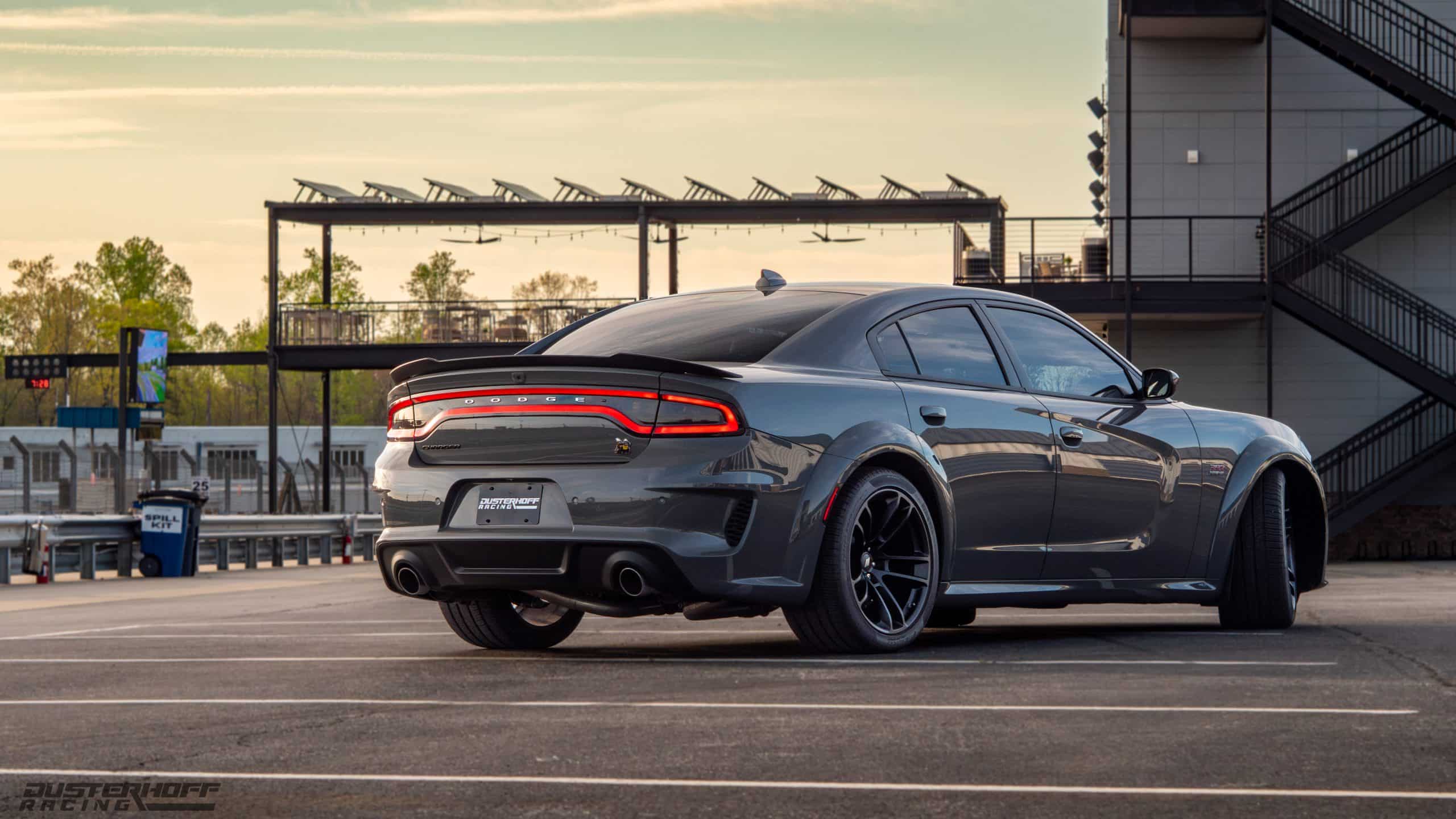
What Is Performance Tuning?
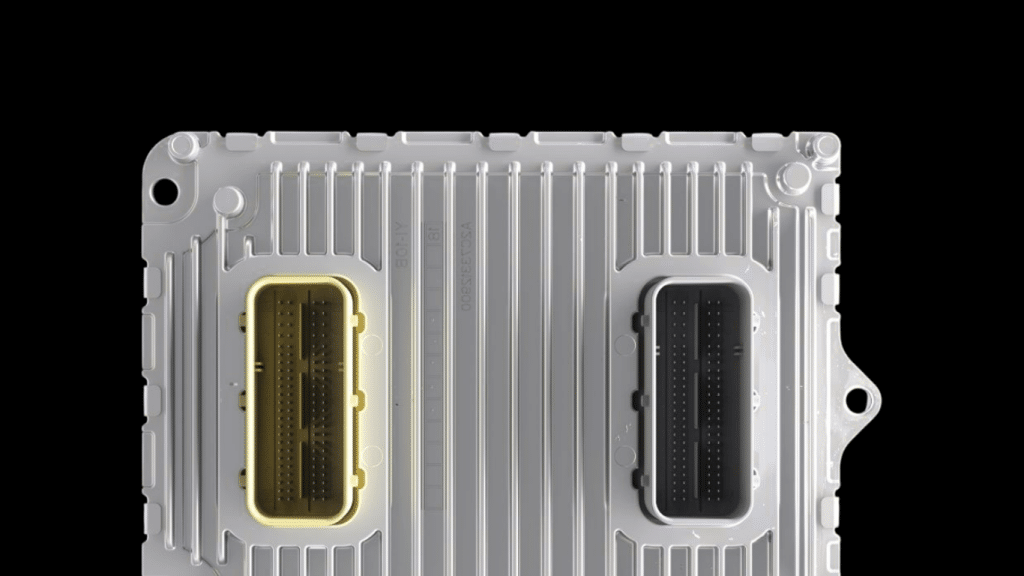
Performance tuning is the process of recalibrating your vehicle’s ECU (Engine Control Unit) to optimize how the engine runs. The ECU is responsible for controlling fuel delivery, ignition timing, airflow calculations, throttle response, and, in many cases, transmission behavior.
From the factory, these settings are conservative. Manufacturers build in safety margins for emissions compliance, fuel economy, and long-term reliability under all driving conditions. Tuning removes those limitations and reshapes the engine’s response based on your actual modifications and fuel type.
When modding a motor with bolt-ons or full-on builds, tuning is important because airflow mods like cams, intakes, and exhaust systems significantly change how the engine breathes. Without tuning, the ECU still tries to operate as if the engine were stock.

Why ECU Tuning Is So Important for Gen 3 HEMIs
The Gen 3 HEMI platform is extremely responsive to tuning changes. Engines like the 5.7L and 6.4L rely heavily on airflow and timing efficiency, meaning even small adjustments can produce noticeable gains in drivability and power.
When you install performance parts without tuning, the engine can’t fully adapt to the increased airflow or altered dynamics. That leads to missed power potential, inconsistent throttle response, and in some cases, poor drivability.
With proper ECU tuning, the engine can adjust:
- Air/fuel ratios for optimal combustion
- Ignition timing for improved power and safety
- Throttle response for better drivability
- Idle characteristics for cammed setups
- Transmission shift behavior (on automatic models)
This is why tuning is often considered the most impactful modification you can make.
Fuel Mapping and Ignition Timing Explained
Two of the most important parts of engine tuning are fuel mapping and ignition timing.
Fuel mapping determines how much fuel is delivered under different load and RPM conditions. When airflow increases due to mods like a camshaft or intake system, the engine requires more fuel to maintain proper combustion. Without adjusting fuel delivery, performance suffers, and engine safety can be compromised.
Ignition timing controls when the spark plug fires in relation to the piston’s position. Advancing or retarding timing can significantly affect horsepower, torque, and engine efficiency. On a properly tuned Gen 3 HEMI, timing adjustments are carefully balanced to maximize performance while avoiding detonation.
These two systems work together to define how strong, smooth, and responsive the engine feels.
Transmission Tuning and Drivability
On automatic Gen 3 HEMI vehicles, performance tuning often includes transmission calibration as well.
Transmission tuning can adjust shift points, shift firmness, torque management, and lockup behavior. This improves how power is delivered to the wheels and can make the vehicle feel significantly more aggressive and responsive. In many cases, transmission tuning alone can completely change how a car behaves under acceleration.
Remote Tuning vs In-Person Tuning
Modern remote tuning has made performance calibration more accessible than ever. Instead of requiring a dyno session for every adjustment, remote tuning allows data logs to be sent electronically for revisions and refinements.
For most street-driven Gen 3 HEMI builds, remote tuning provides excellent results when done correctly. It allows the tuner to make adjustments based on real-world driving conditions rather than a controlled dyno environment.
Here at Dusterhoff Racing, we use HP Tuners for our remote tuning, and we send specific instructions to our customers to follow so they can capture all the data we need to review to dial that tune in.
The Relationship Between Tuning and Hardware Mods
To understand why vehicle tuning matters so much, it helps to think of it as the link between all your performance parts. A cold air intake improves airflow. An exhaust system reduces restriction. A camshaft changes valve timing.
But the ECU is what ties everything together.
Without proper calibration, those parts can’t work in harmony. With tuning, they become a complete system that functions efficiently under load.

Final Thoughts on Performance Tuning
At its core, performance tuning is what transforms a modified Gen 3 HEMI from a collection of parts into a properly functioning performance setup. It improves power, drivability, throttle response, and overall engine efficiency.
Whether you’re working with a mild 5.7L daily driver or a fully built 6.4L or 6.2L platform, tuning is what allows the engine to safely and effectively use the upgrades you’ve installed.
It is not just an optional step; it is often the difference between a car that “runs” and a car that actually performs.
Need Help With Tuning or Installation?
Here at Dusterhoff Racing, we offer both remote tuning and in-house installs for Gen 3 HEMI builds. Whether you’re adding bolt-ons or building a full performance setup, our team ensures everything is calibrated and installed correctly so you get real results without the guesswork.
Ready to get started? Contact Dusterhoff Racing at 404 – 480 – 4754 to discuss your build or fill out our in-house install form.
Want to check out more newsletters or blogs?