
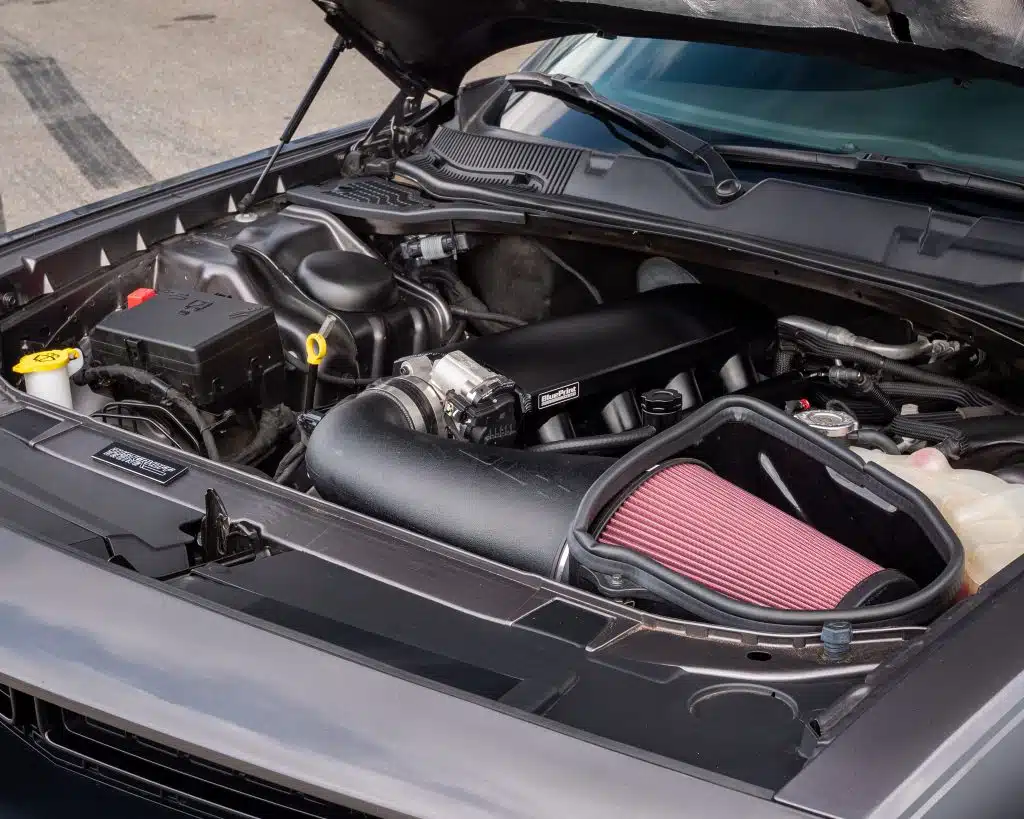
Upgrading to a cold air intake is a simple and effective way to improve airflow on a Gen 3 HEMI (5.7L, 6.1L, 6.4L, or 6.2L). While it is a basic bolt-on, a properly installed intake plays a key role in how efficiently your engine breathes, and that directly impacts throttle response, sound, and overall performance.
This CAI install guide walks through how to install a cold air intake, covering everything from removing the factory intake to sensor transfer and heat shielding.
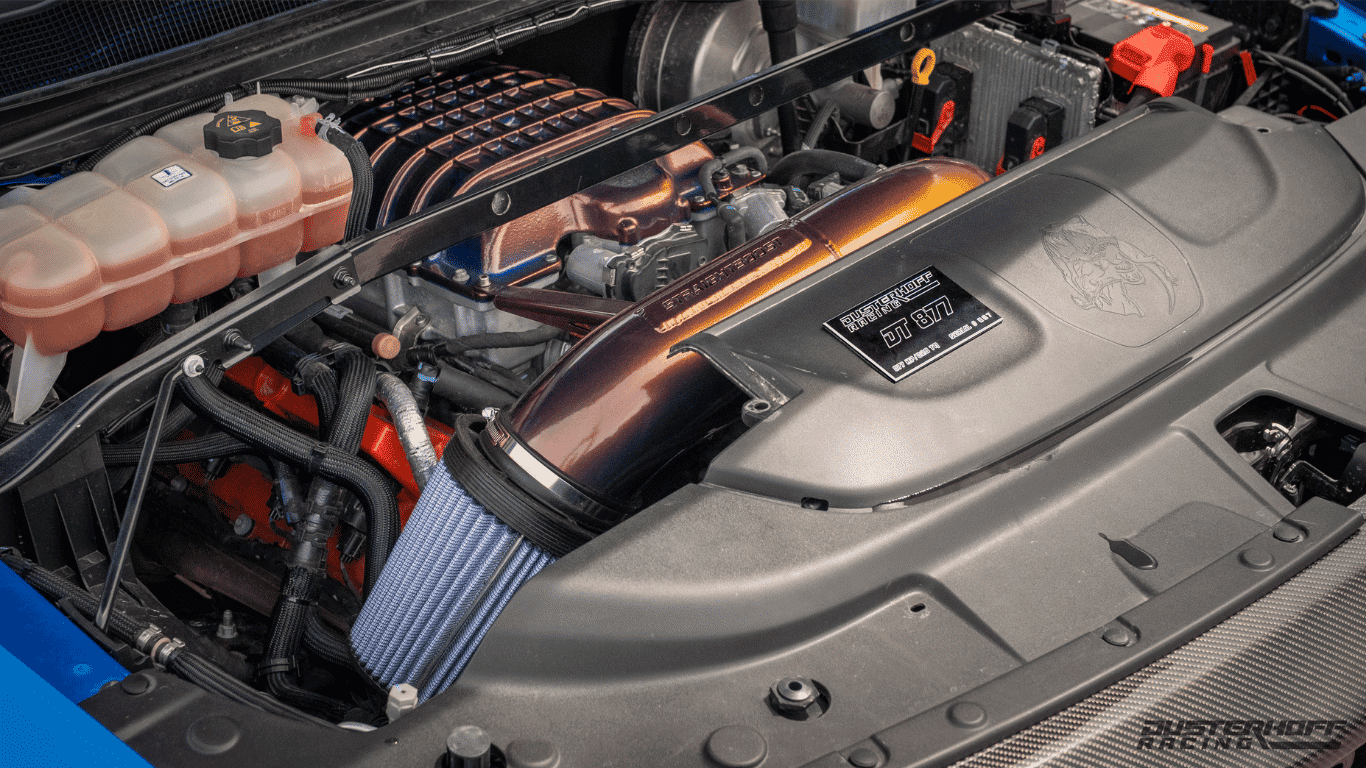
Why a Cold Air Intake Matters for Gen 3 HEMI Performance
From the factory, Gen 3 HEMI intake systems are designed for quiet operation, emissions compliance, and cost efficiency. While they perform well for stock applications, they restrict airflow compared to aftermarket systems designed for performance.
A performance air intake installation improves how air enters the engine by increasing flow and reducing restriction. Cooler, denser air carries more oxygen, which allows for more efficient combustion. That’s where the potential to increase horsepower with an intake comes from.
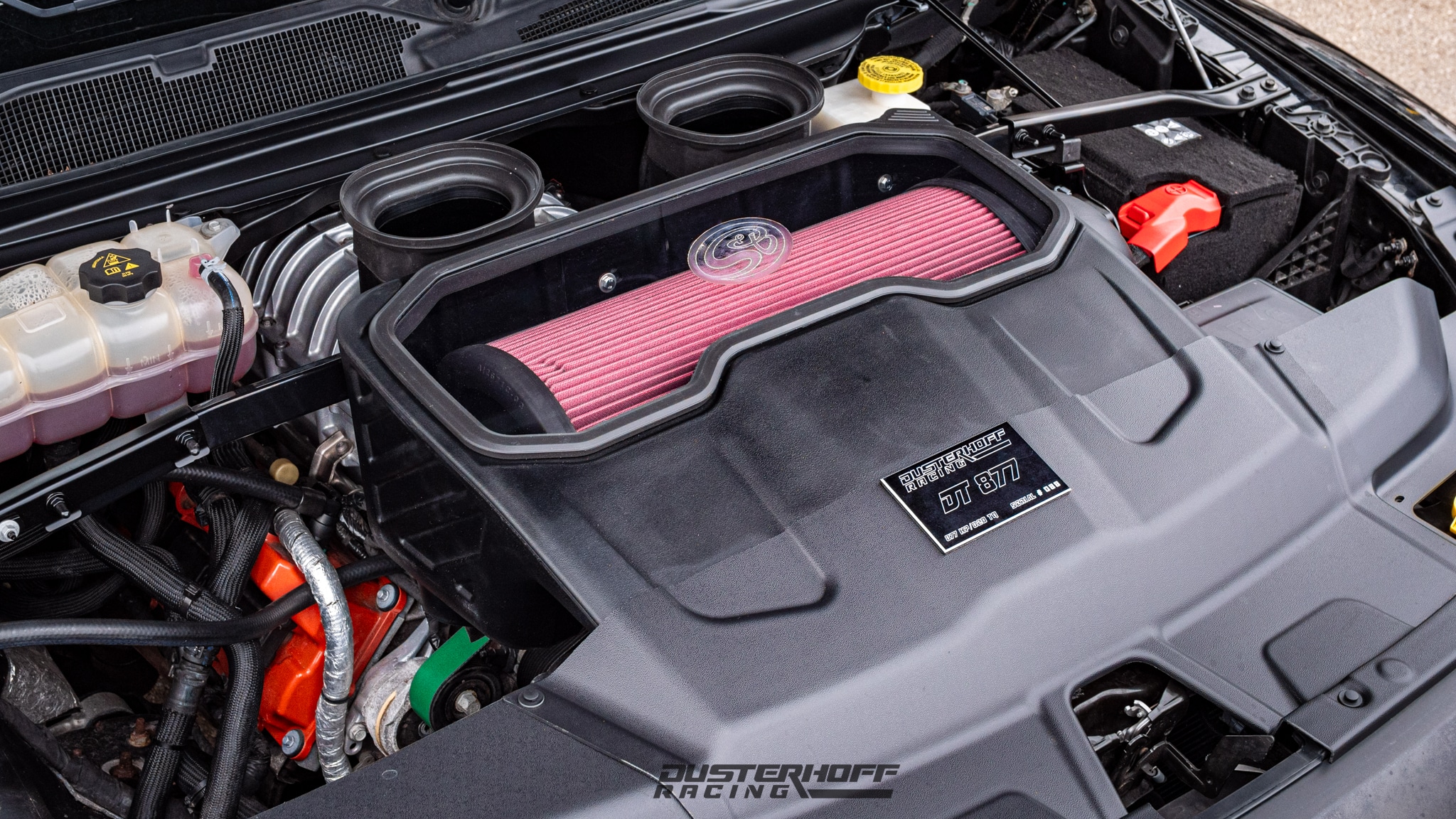
Preparation Before Installation
Before starting, make sure the engine is completely cool. Most cold air intake kits are designed as direct bolt-on upgrades, but having a clean workspace and organizing hardware during removal will make the process smoother.
Removing the Factory Intake System
The first step in installing a cold air intake is removing the stock airbox and intake tubing. On Gen 3 HEMI vehicles, the factory system typically consists of an airbox, an intake tube, and an intake air temperature sensor integrated into the assembly.
Start by disconnecting any electrical connectors attached to the intake system. Once the air intake temp sensor is disconnected, loosen the clamps securing the intake tube to the throttle body. The airbox is usually held in place by clips or bolts and can be removed as a single unit along with the intake tubing. Take this time to move the air intake sensor to the new CAI, so it is not damaged or misplaced.
Installing the Cold Air Intake System
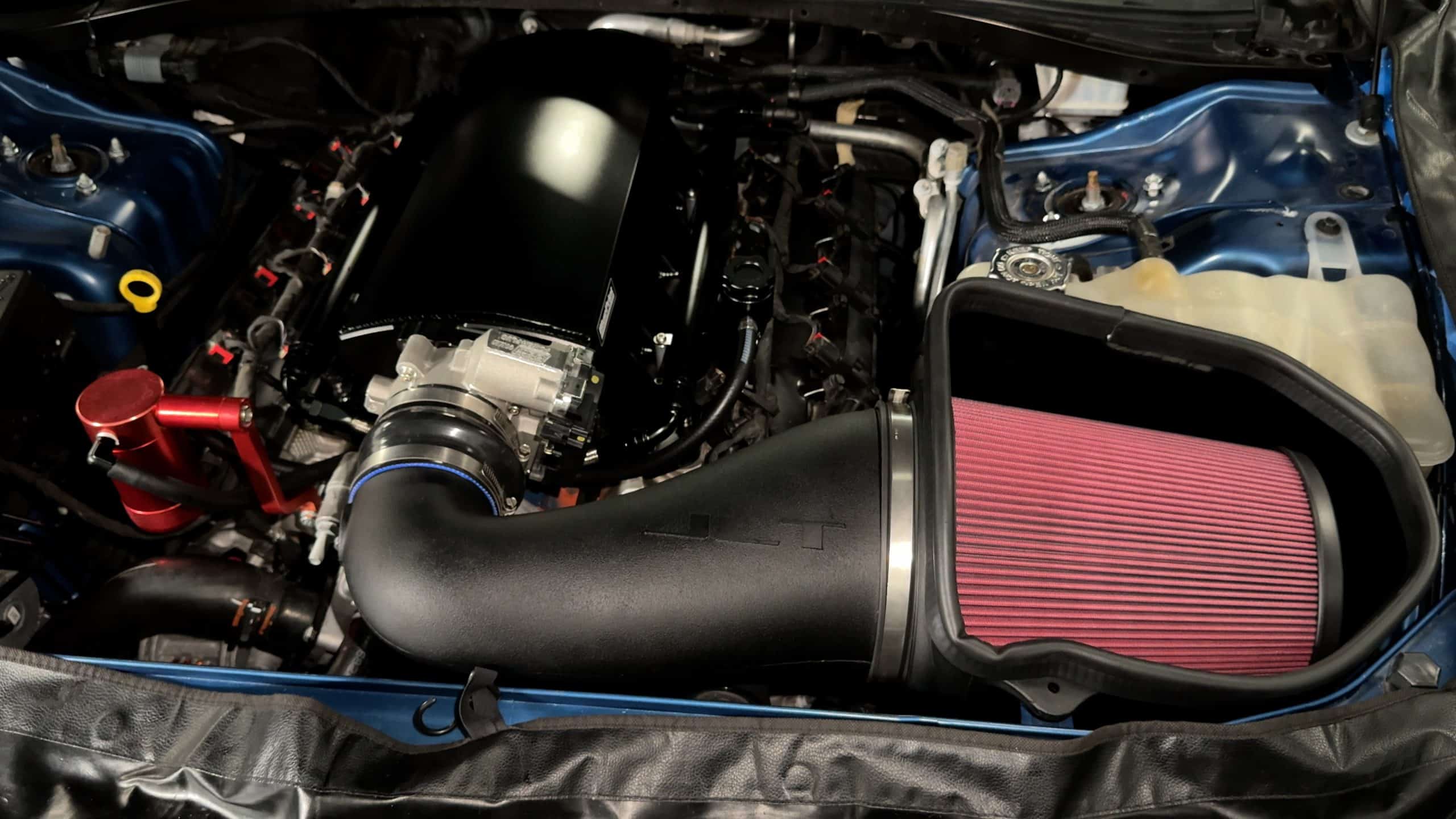
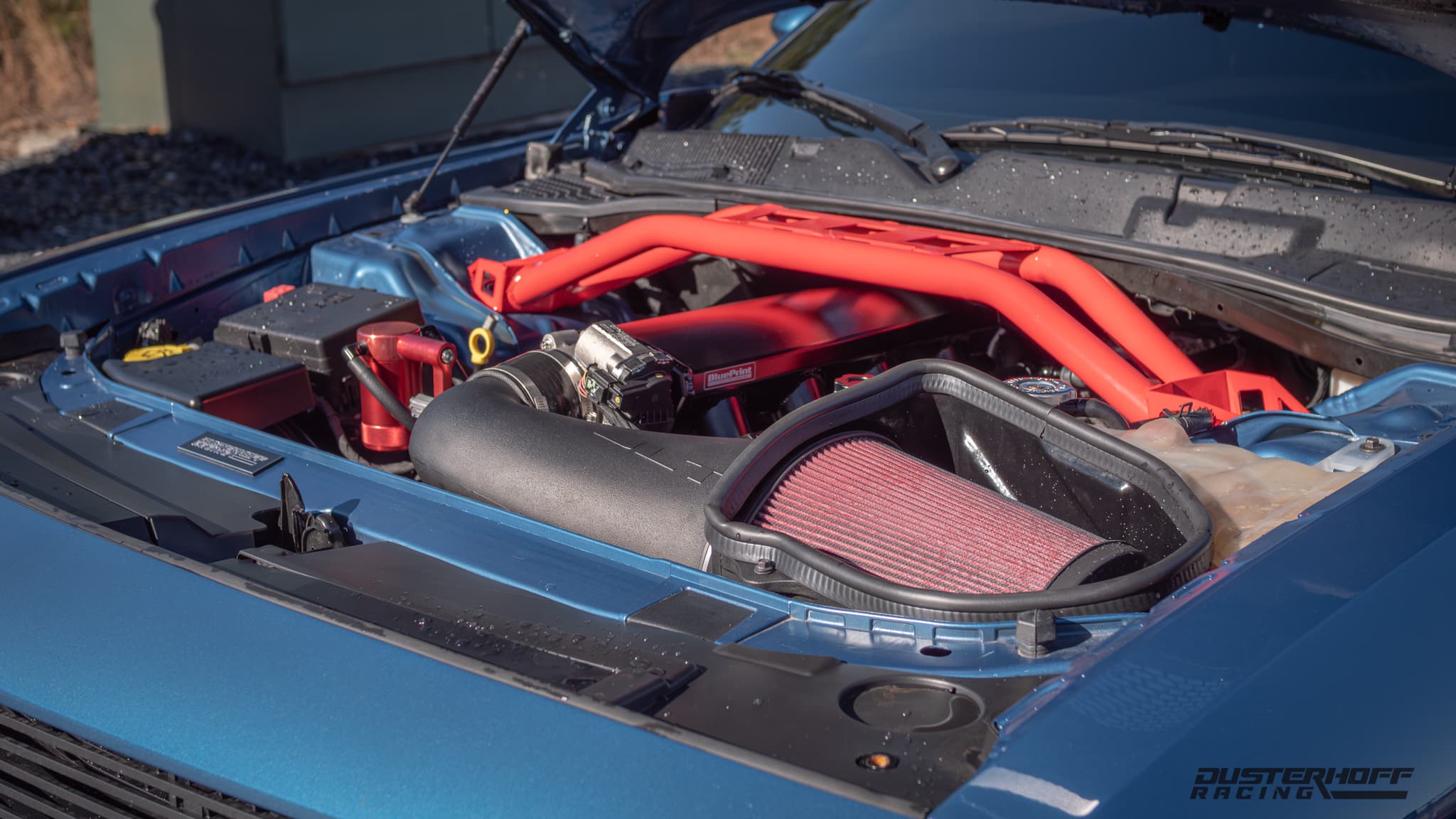
With the factory intake removed and sensors transferred, the new intake system can be installed. Most aftermarket systems include a new intake tube, air filter, and heat shield or airbox.
The intake tube should be connected to the throttle body first, leaving the clamps slightly loose to allow for adjustment. The air filter is then attached to the intake tube, and the system is positioned to ensure proper clearance from surrounding components.
Once everything is aligned and positioned correctly, clamps and mounting points can be tightened to secure the system. The goal of a cold air intake is not just to increase airflow, but to ensure that the air entering the engine is as cool and dense as possible. Proper positioning of the intake and heat shield helps prevent hot air from the engine bay from being pulled into the system.
First Startup and System Check
After installation, reconnect any sensors and electrical connections, then start the engine. Let it idle and observe how it behaves.
The engine should run smoothly without warning lights or irregular idle. If a check engine light appears, double-check sensor connections and ensure everything is properly installed. (Also, check and make sure the coupler adapters from the throttle body to the intake tube are properly seated.)
It’s normal to hear a difference in the intake sound immediately. Most aftermarket systems produce a deeper, more aggressive tone, especially under throttle, and for hellcats, this also increases the supercharger whine we all know and love!
Do You Need a Tune?
Check the manufacturer’s requirements; not all intakes are made the same. Some manufacturers will have a tune-required version and a no-tune-required version. Here at Dusterhoff Racing, we love JLT and Legmaker cold air intakes. If you are going for maximum gains, we recommend choosing an intake that requires tuning for more potential gains.
Final Thoughts
Learning how to install a cold air intake is one of the best entry points into performance modifications for Gen 3 HEMI vehicles. It’s a straightforward upgrade that provides both performance and sound improvements when installed correctly.
Need Help With Installation?
If you don’t want to handle the install yourself or run into issues along the way, we’ve got you covered. Here at Dusterhoff Racing, we offer in-house part installations for Gen 3 HEMI vehicles.
Ready to get started? Contact Dusterhoff Racing at 404 – 480 – 4754 to discuss your build or fill out our in-house install form.