
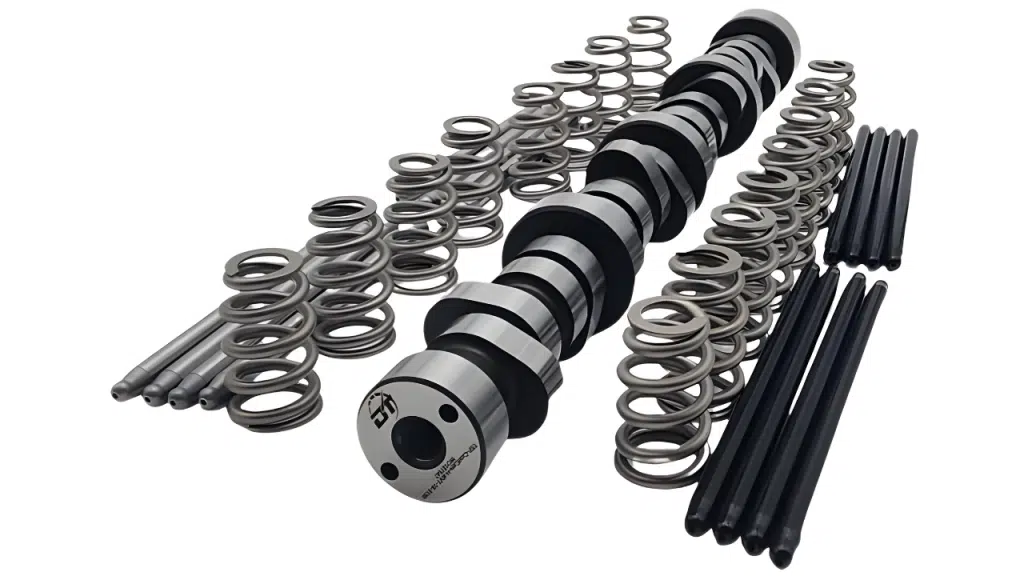
Choosing the right camshaft is one of the most important decisions you’ll make when building a performance engine. With terms like Stage 1, Stage 2, and Stage 3 camshafts commonly used, many enthusiasts assume a higher stage automatically means more power and better performance. In reality, the best camshaft is the one that fits how you drive and what your engine setup can properly support.
Understanding what cam stages mean and how they affect drivability, power delivery, and reliability will help you avoid common mistakes and get the most out of your build.
What Camshaft “Stages” Really Mean
Camshaft stages are not an industry standard. Each manufacturer defines stages differently, but they are generally used to describe how aggressive a cam profile is. As stages increase, lift and duration typically increase as well. This allows more airflow at higher RPM, but it can also change how the car behaves at idle and during normal driving.
A higher stage cam usually shifts the powerband upward, making more power at higher RPM, while lower stage cams focus on usable power and smooth operation in everyday driving conditions. This is why choosing a cam based solely on sound or peak horsepower numbers often leads to disappointment.
Keep in mind, with any cam stage 1, 2, or 3, we always recommend that if you want to hear that chop loud and clear, a good set of longtube headers, and your favorite catback exhaust is needed!
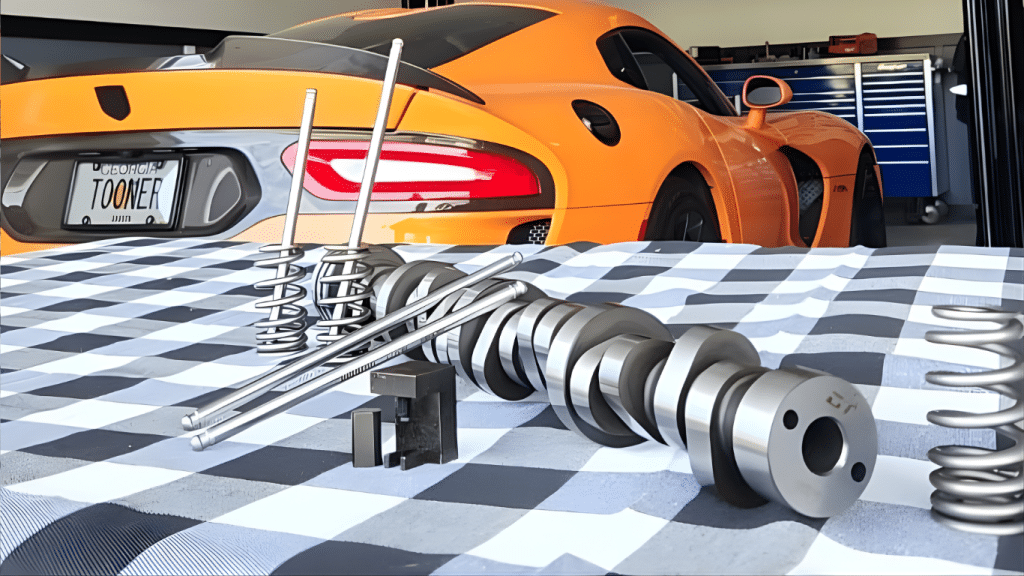
Cam Stages explained
Stage 1: Chop Whisperer
Stage 1 camshafts are commonly selected for street-driven vehicles that still see daily use. They offer noticeable gains in throttle response and mid-range power while maintaining good idle quality and drivability. In many cases, a Stage 1 cam can be paired with basic bolt-on modifications and stock or lightly upgraded supporting components, and a tune.
This type of cam works well for owners who want improved performance without significantly changing how the car behaves in traffic or on longer drives. For many street builds, a Stage 1 cam delivers the best balance of power, reliability, and comfort.
Our Dusterhoff Racing Stage 1 cam not only offers power gains, but it also will give you the chop you all know and love without the compromise of drivability and the need for other supporting mods.
Stage 2: Chop Shaker
Stage 2 camshafts step things up by offering more aggressive profiles designed to make additional power higher in the RPM range. Idle becomes more noticeable, and supporting modifications become more important. If you’re dealing with an automatic transmission, it will often require an aftermarket converter with a bigger stall. Tuning is critical to getting the most from a Stage 2 setup.
Many enthusiasts choose a Stage 2 cam when the car is no longer a simple daily driver but still spends most of its time on the street. With the right setup, a Stage 2 cam can deliver strong performance gains while remaining enjoyable to drive.
Stage 3: Idle Apocalypse
Stage 3 camshafts are designed for performance-focused builds where drivability takes a back seat to maximum power. These cams typically require extensive supporting modifications and careful tuning. Low-speed manners can suffer, and the engine setup must be designed to operate efficiently at higher RPMs.
This type of cam is best suited for track cars, competition builds, or highly modified engines where peak performance is the primary goal. Installing a Stage 3 cam in an otherwise mild street build often leads to poor results and unnecessary compromises.
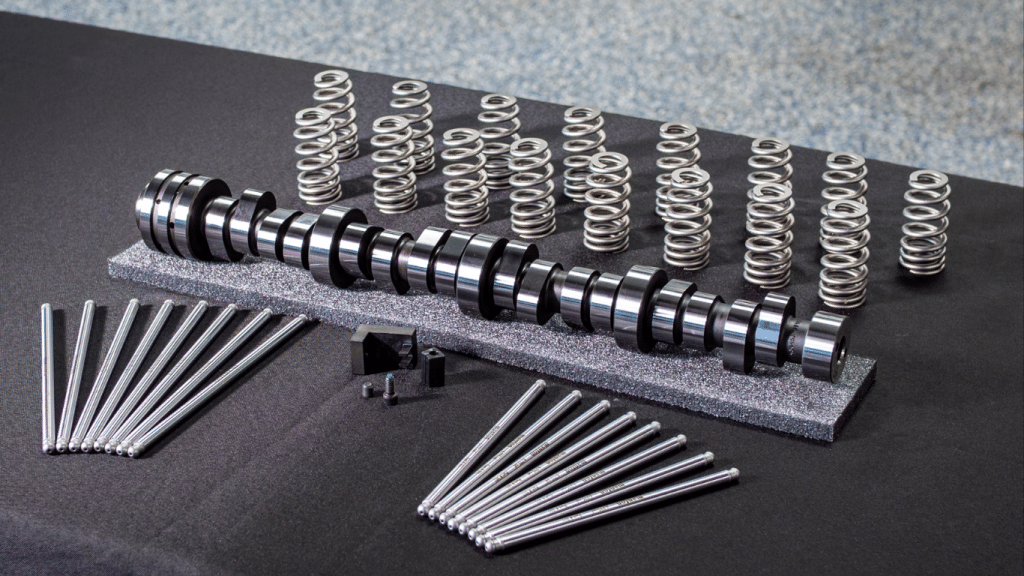
Factors That Matter More Than Cam Stage
How you use your vehicle should always guide cam selection. A daily-driven car has very different needs than a weekend toy or track-focused build. Your current modifications and plans also matter. A camshaft should complement your setup, not push it beyond what the rest of the components can support.
Fuel choice plays a role as well. Higher-octane fuel or E85 can support more aggressive cam profiles, while pump gas setups may require more conservative choices. Proper tuning is equally important, as even the best camshaft will not perform correctly without calibration designed specifically for it.
Common Mistakes to Avoid
One of the most common mistakes is choosing a camshaft based on sound alone. While a lopey idle may be appealing, it does not always translate to better performance. Over-camming an engine can reduce low-end power, hurt drivability, and increase wear if the supporting components are not properly matched.
Failing to plan for supporting modifications or professional tuning often leads to frustration and unnecessary expense. A well-matched camshaft will always outperform a larger cam that the engine cannot fully utilize.
There Is No One-Size-Fits-All Camshaft
The right camshaft is the one that aligns with your driving habits, engine setup, and long-term goals. The cam stage is only part of the equation. Real performance comes from selecting components that work together as a system.
At Dusterhoff Racing, cam selection is based on real-world testing, tuning experience, and an understanding of how each setup will be used, not just numbers on a spec sheet.
Need Help Choosing the Right Cam?
If you’re unsure which stage cam is best for your build, our team can help guide you through the decision. By looking at your vehicle, current modifications, fuel choice, and goals, we can recommend a camshaft that delivers the performance you want without sacrificing reliability or drivability.
Contact Dusterhoff Racing at 404 – 480 – 4754 to discuss your build! Already know what you want? Checkout our cams here: Dusterhoff Racing Custom Grind Camshafts